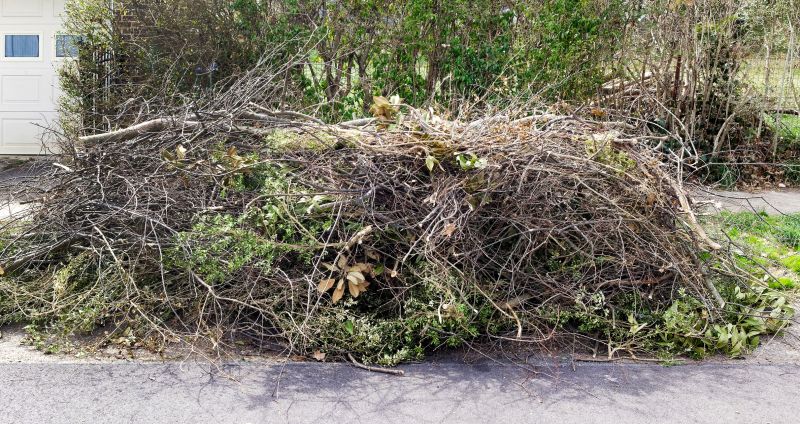
Tree Limb Cleanup in Honolulu, HI
Tree limb cleanup services involve the removal of fallen, broken, or overhanging branches to maintain the safety and appearance of a property. This service covers a variety of projects, including clearing debris after storms, trimming back hazardous limbs near structures or power lines, and restoring a yard’s tidy look after heavy pruning or storm damage. Homeowners typically seek this service to prevent potential damage to their property, reduce risks of injury from falling branches, and improve the overall health and aesthetics of their trees.
Before requesting tree limb cleanup, property owners should consider the extent of the debris, the size and location of the branches needing removal, and any specific safety concerns. Knowing whether the cleanup involves only fallen limbs or requires trimming of live branches can help determine the scope of work. Additionally, understanding the accessibility of the affected areas and any potential restrictions or regulations in the neighborhood can ensure the project proceeds smoothly and safely.
Many property owners in Honolulu, HI look into Tree Limb Cleanup for repairs, replacements, upgrades, and appearance-related improvements.
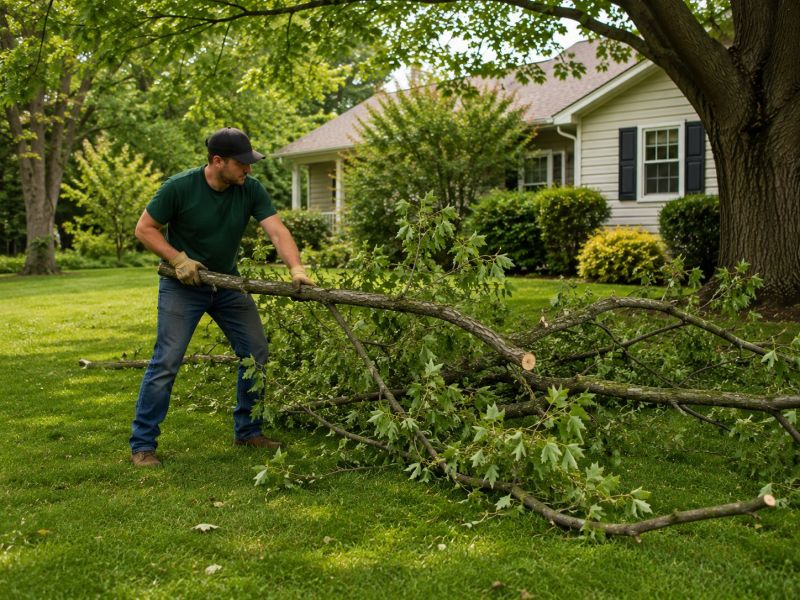
Hazardous Limb Removal
Removing broken or overhanging limbs to prevent property damage and ensure safety.
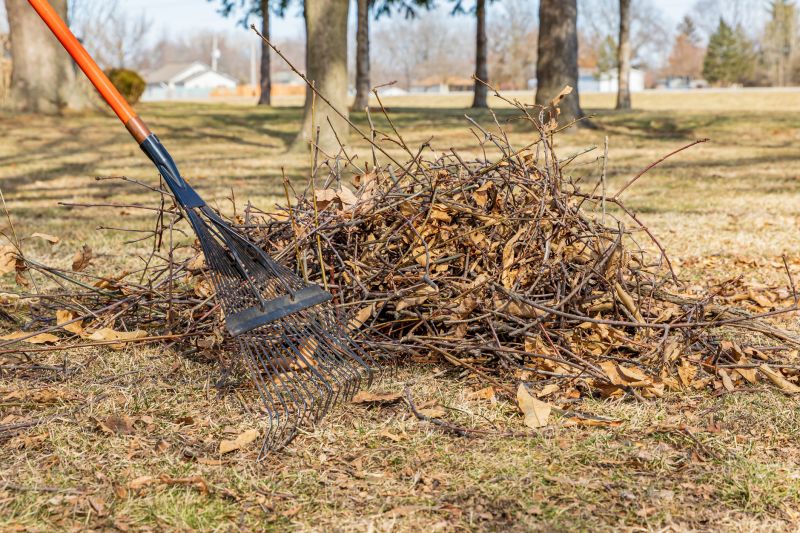
Storm Damage Cleanup
Clearing fallen branches and debris after storms to restore your landscape.
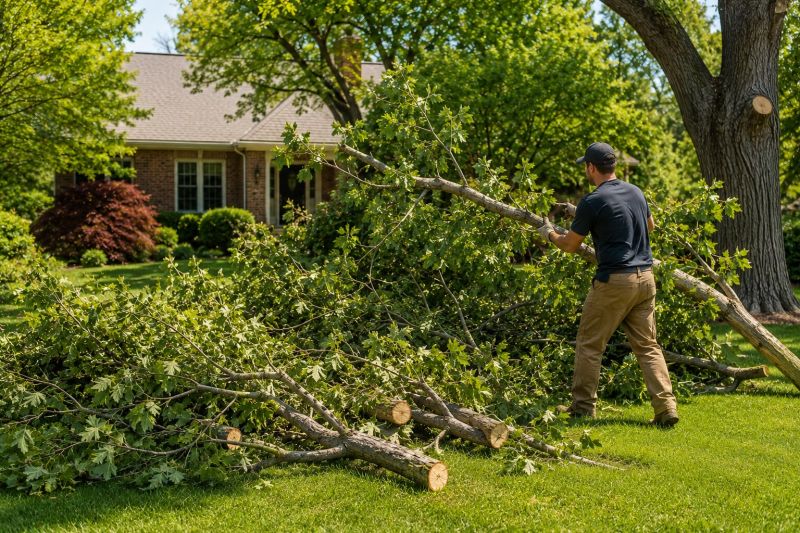
Tree Maintenance Support
Trimming and pruning loose or dead limbs to promote healthy growth and aesthetics.
Tree Limb Cleanup in Honolulu, HI

Tree limb cleanup services involve the removal of fallen, broken, or overhanging branches to maintain the safety and appearance of a property. This service covers a variety of projects, including clearing debris after storms, trimming back hazardous limbs near structures or power lines, and restoring a yard’s tidy look after heavy pruning or storm damage. Homeowners typically seek this service to prevent potential damage to their property, reduce risks of injury from falling branches, and improve the overall health and aesthetics of their trees.
Before requesting tree limb cleanup, property owners should consider the extent of the debris, the size and location of the branches needing removal, and any specific safety concerns. Knowing whether the cleanup involves only fallen limbs or requires trimming of live branches can help determine the scope of work. Additionally, understanding the accessibility of the affected areas and any potential restrictions or regulations in the neighborhood can ensure the project proceeds smoothly and safely.
Many property owners in Honolulu, HI look into Tree Limb Cleanup for repairs, replacements, upgrades, and appearance-related improvements.
Common Tree Limb Cleanup Jobs
Tree Limb Removal - safely removing broken or hazardous limbs to prevent property damage.
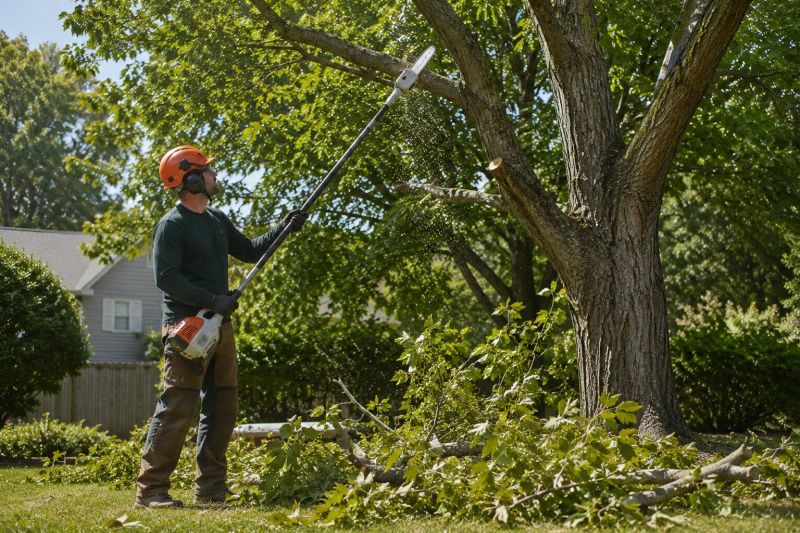
Overhanging Limb Trimming - pruning overhanging branches to improve safety and prevent interference with structures.
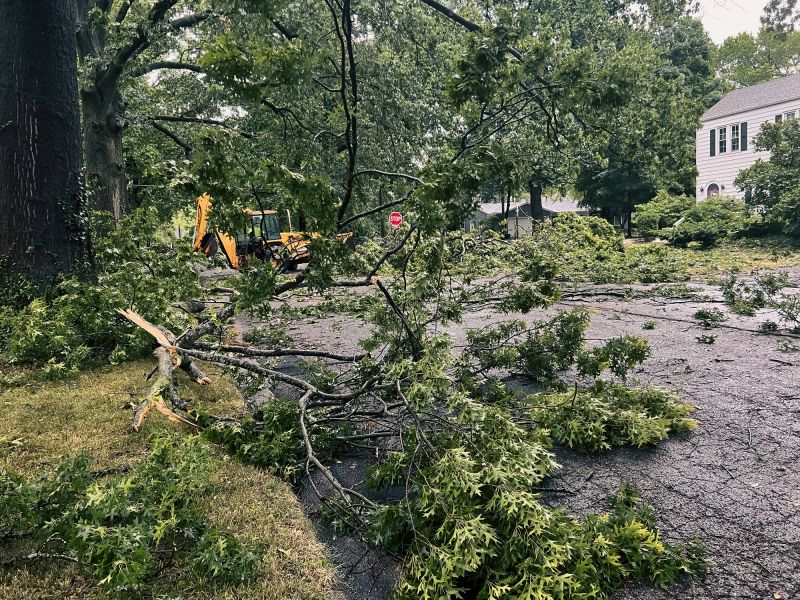
Storm Damage Cleanup - clearing fallen or damaged limbs after severe weather events.
Emergency Limb Removal - addressing urgent limb hazards that pose immediate risks to property or safety.
Tree Crown Thinning - reducing limb density to enhance tree health and reduce weight load.
Selective Limb Pruning - removing specific limbs to improve tree structure and promote healthy growth.
Tree Limb Cleanup Questions
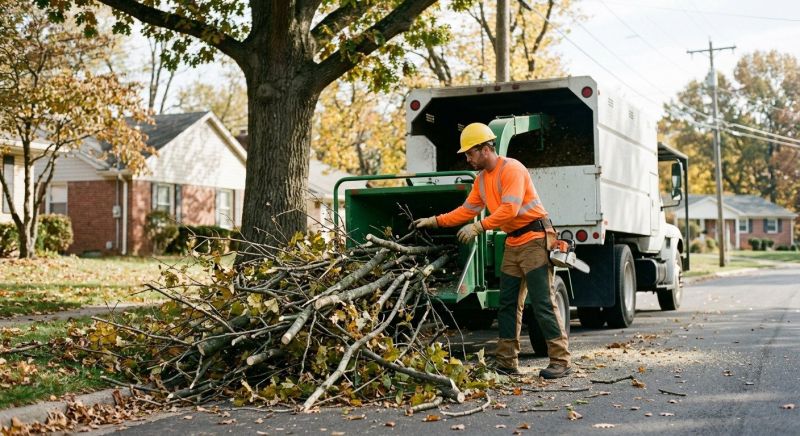
What is involved in tree limb cleanup? The process includes removing dead or overhanging branches to improve safety and appearance.
Why should property owners consider tree limb cleanup? It helps prevent damage to property and reduces the risk of falling branches during storms.
Are there different types of tree limb cleanup services? Yes, services can include pruning, debris removal, and trimming to maintain tree health and safety.
When is the best time for tree limb cleanup? Regular maintenance is recommended throughout the year, especially after storms or when branches become hazardous.
Request Tree Limb Cleanup in Honolulu, HI
Use the quote form on this page to share the basics of your project and request more information for the type of work you need.